Food and Color

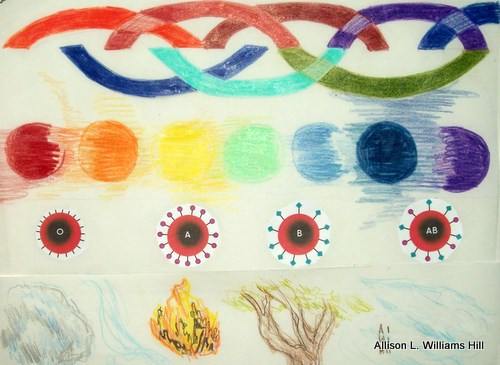
ature's food and color and our bodies have the light spectrum in common. Rainbows result from light refraction after a shower. Plants produce colorful herbs, fruits, and vegetables from light and water. Our bodies are fused with color at each energy center in the exact same order as refracted light.
Food and color varieties attract people and many animals to select for their diets. Some animals have fewer receptors to see color and fragrance helps them to select foods they like. Their noses work to capture food molecules so they identify what appeals to them. Dogs and horses are colorblind. Their noses wiggle to capture scent. Sight varies for people. We see in a limited band of light and some see less and others see nothing. The nose, as with animals, fills in the blanks.
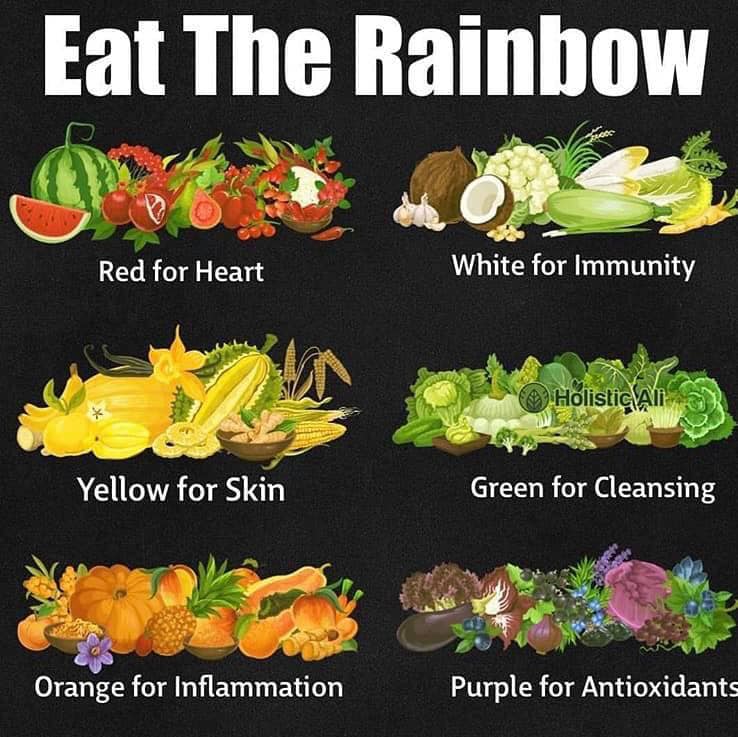
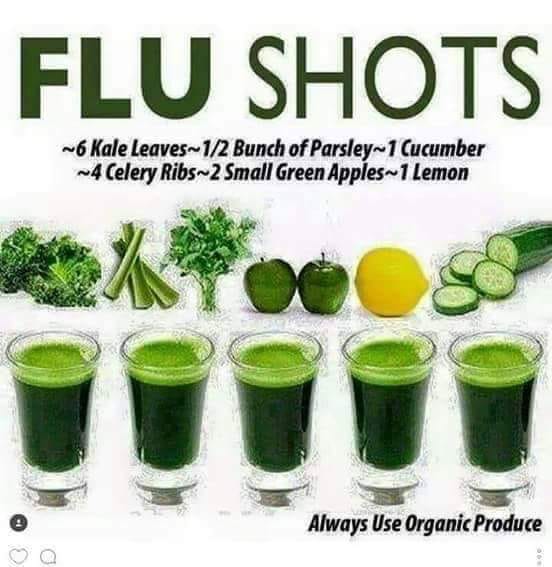
A lot of these posters are circulating on Facebook encouraging consumers to be more aware of foods and their properties.
Food and Color and Dr. Edwin Babbitt
The phrase "eat a rainbow" refers to consuming a variety of fruits and vegetables in all colors.
The first reference I heard about "eating colors" was Dr. Edwin Babbitt, who wrote about color in the late 19th century. His work more specifically involved using colors to heal internal organs.
Others preceded Dr. Babbitt, and this work is under review to find how far back information on food and color originates.
Apply the Rainbow Diet to any food plan by:
+ Selecting organic produce - vegetables, fruits, grains, seeds, and nuts. Use Nature's clock where you are. Consume natural foods when available.
+ Reducing refined, processed, and genetically modified products.
Remove refined, processed, and genetically modified products from all meal plans. Refined, processed foods provide little fiber. Fiber is a substance that helps the digestion process by removing fecal solids from the colon.Refined, processed foods contain little of the vitamins and minerals necessary for a healthy body.
What is the point of consuming these products if they impart little to your life?
The selling points of these foods are the flavors created with artificial substances, added sugars, and unhealthy fats.Canola oil contains twice as much Omega-6 fatty acid, which promotes inflammation, as Omega-3 plant-based fatty acids that support health.
A healthy diet would include Omega 6 and Omega 3 in low, equal amounts. However, the American refined processed diet (the Standard American diet) has canola oil products outpacing whole foods by twenty times.
Food and Color and Phytonutrients
The following abstract from "Phytonutrients as therapeutic agents" article goes deeper into food and color.
The subject is deeper than what meets the eye. Corporations may use the information in several ways.The last statement of the abstract, "This mini-review attempts to summarize the major important types of phytonutrients and their role in promoting human health and as therapeutic agents along with the current market trend and commercialization." provides information for the growing neutraceutical market using natural substance to improve mind and body health.
The pharmaceutical industry may pursue patentable substitutions that achieve the same benefits.

"Nutrients present in various foods plays an important role in maintaining the normal functions of the human body. The major nutrients present in foods include carbohydrates, proteins, lipids, vitamins, and minerals.
Besides these, there are some bioactive food components known as "phytonutrients" that play an important role in human health. They have tremendous impact on the health care system and may provide medical health benefits including the prevention and/or treatment of disease and various physiological disorders. Phytonutrients play a positive role by maintaining and modulating immune function to prevent specific diseases. Being natural products, they hold a great promise in clinical therapy as they possess no side effects that are usually associated with chemotherapy or radiotherapy. They are also comparatively cheap and thus significantly reduce health care cost. Phytonutrients are the plant nutrients with specific biological activities that support human health. Some of the important bioactive phytonutrients include polyphenols, terpenoids, resveratrol, flavonoids, isoflavonoids, carotenoids, limonoids, glucosinolates, phytoestrogens, phytosterols, anthocyanins, ω-3 fatty acids, and probiotics. They play specific pharmacological effects in human health such as anti-microbial, anti-oxidants, anti-inflammatory, antiallergic, anti-spasmodic, anti-cancer, anti-aging, hepatoprotective, hypolipidemic, neuroprotective, hypotensive, diabetes, osteoporosis, CNS stimulant, analgesic, protection from UVB-induced carcinogenesis, immuno-modulator, and carminative." 1

Plan your complete intake over three meals using food and color to get the essential nutrients and dietary fiber you require.
Food and Color Red
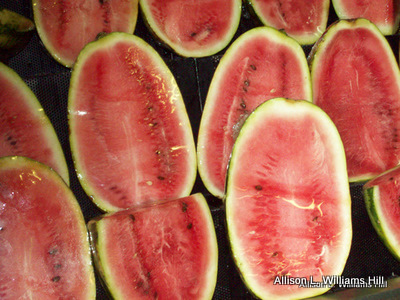
The Red foods include tomato; guava; pink grapefruit; beets; cherries; cranberries; pomegranates; red bell peppers, and plums. The Red foods contain fiber, vitamins, and phytonutrients called anthocyanins and licopene, a potent scavenger of gene-damaging free radicals that protect against prostate cancer as well as heart and lung disease, antioxidants that protects against cancer.
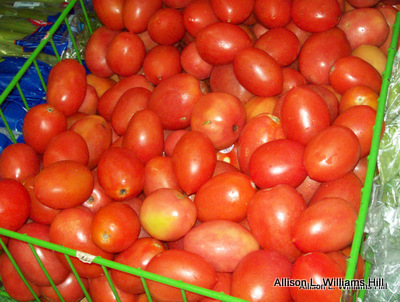
More Reds include strawberries, cranberries, raspberries, tomatoes, cherries, apples, beets, watermelon, red grapes, red peppers, and red onions.
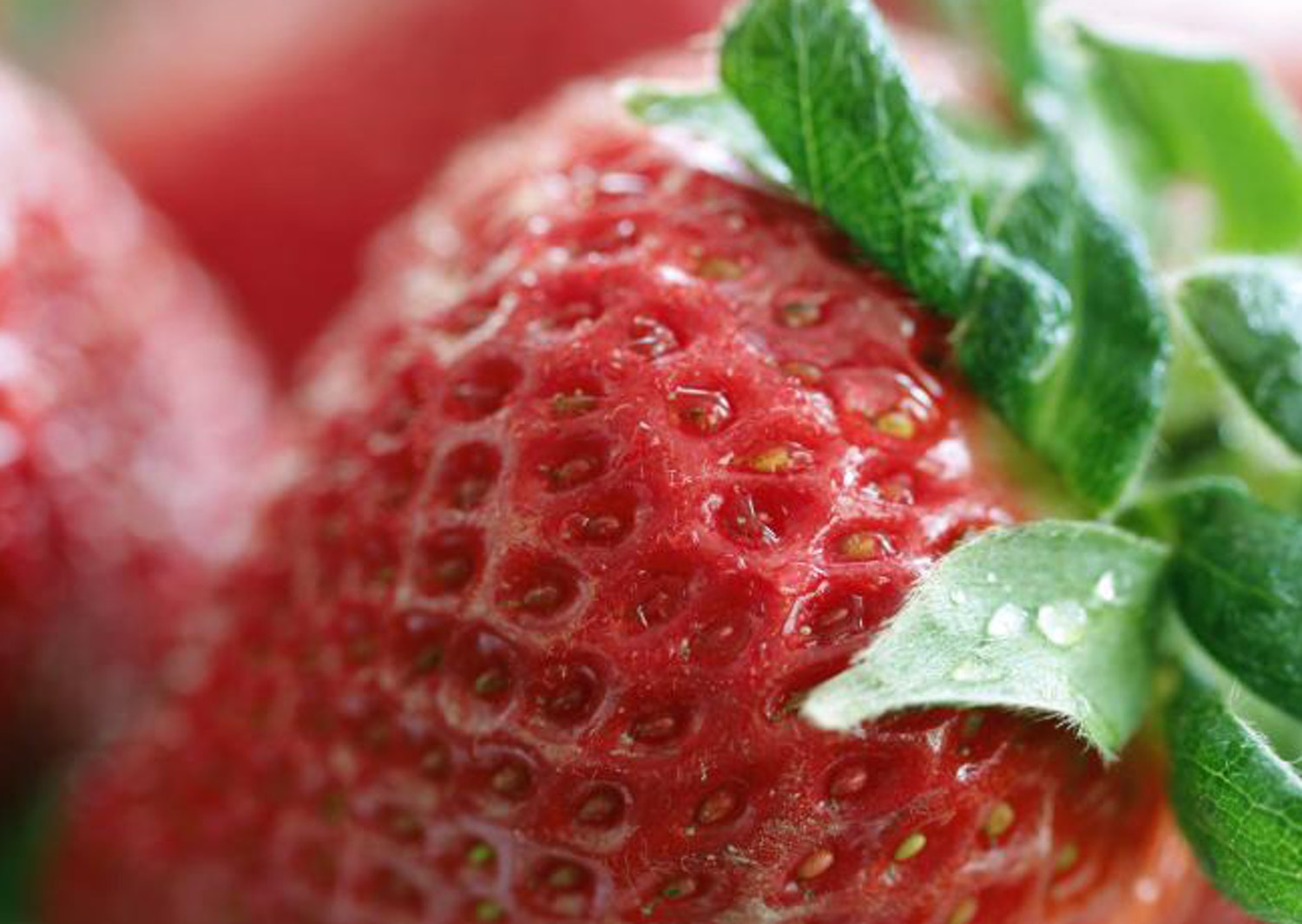
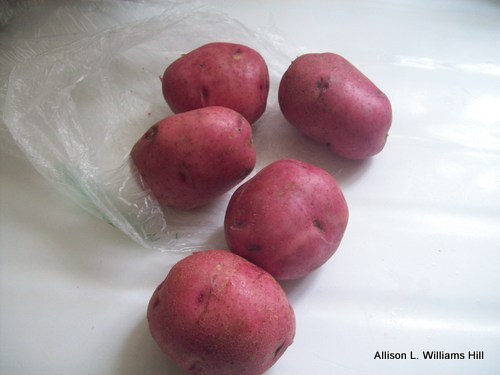
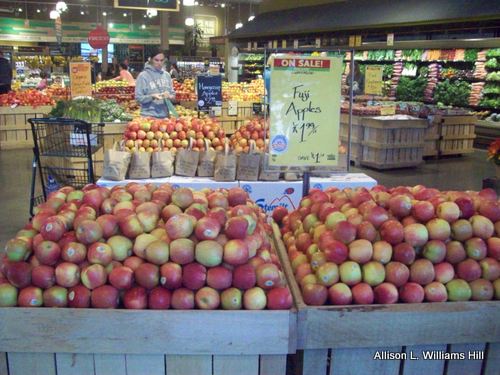
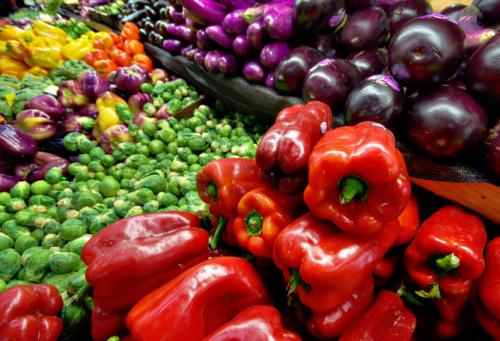
Nature is redundant. All fruits and vegetables have phytonutrients - vitamins, minerals, amino acids, and other organic compounds.
Food and Color Orange
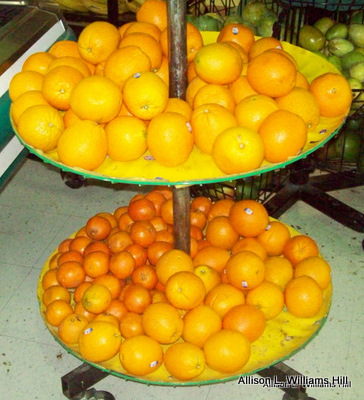
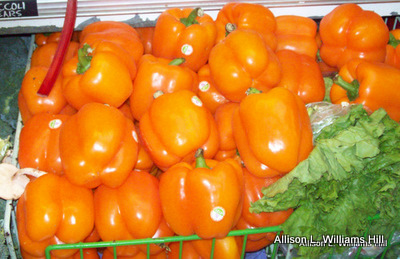
Orange foods provide beta cryptothanxin, which supports intracellular communication and may help prevent heart disease in carrots, sweet potatoes, yellow peppers, oranges, bananas, pineapple, tangerines, mango, pumpkin, apricots, winter squash (butternut, acorn), peaches, cantaloupe, and corn. 2
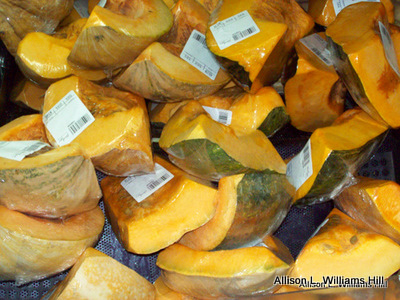
Does it help to know what food and color does for you?
Read on!
Orange fruits and vegetables contain
• Beta-carotene (Vitamin A precursor)
• Vitamin C
• Potassium, and
• Fiber.
The Health Benefits include:
• Eye health (Vitamin A supports vision)
• Immune strength
• Skin rejuvenation,
• Lung and reproductive health,
and may protect against certain cancers.

Food and Color Yellow
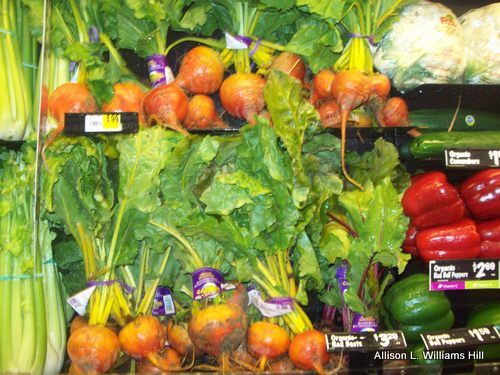
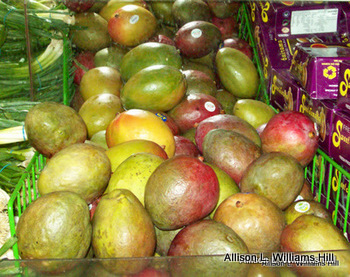
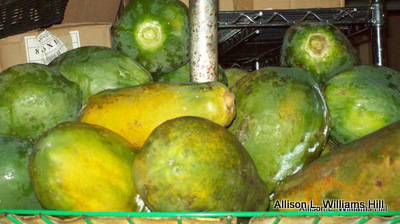
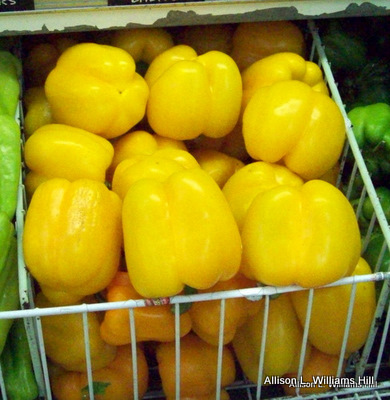
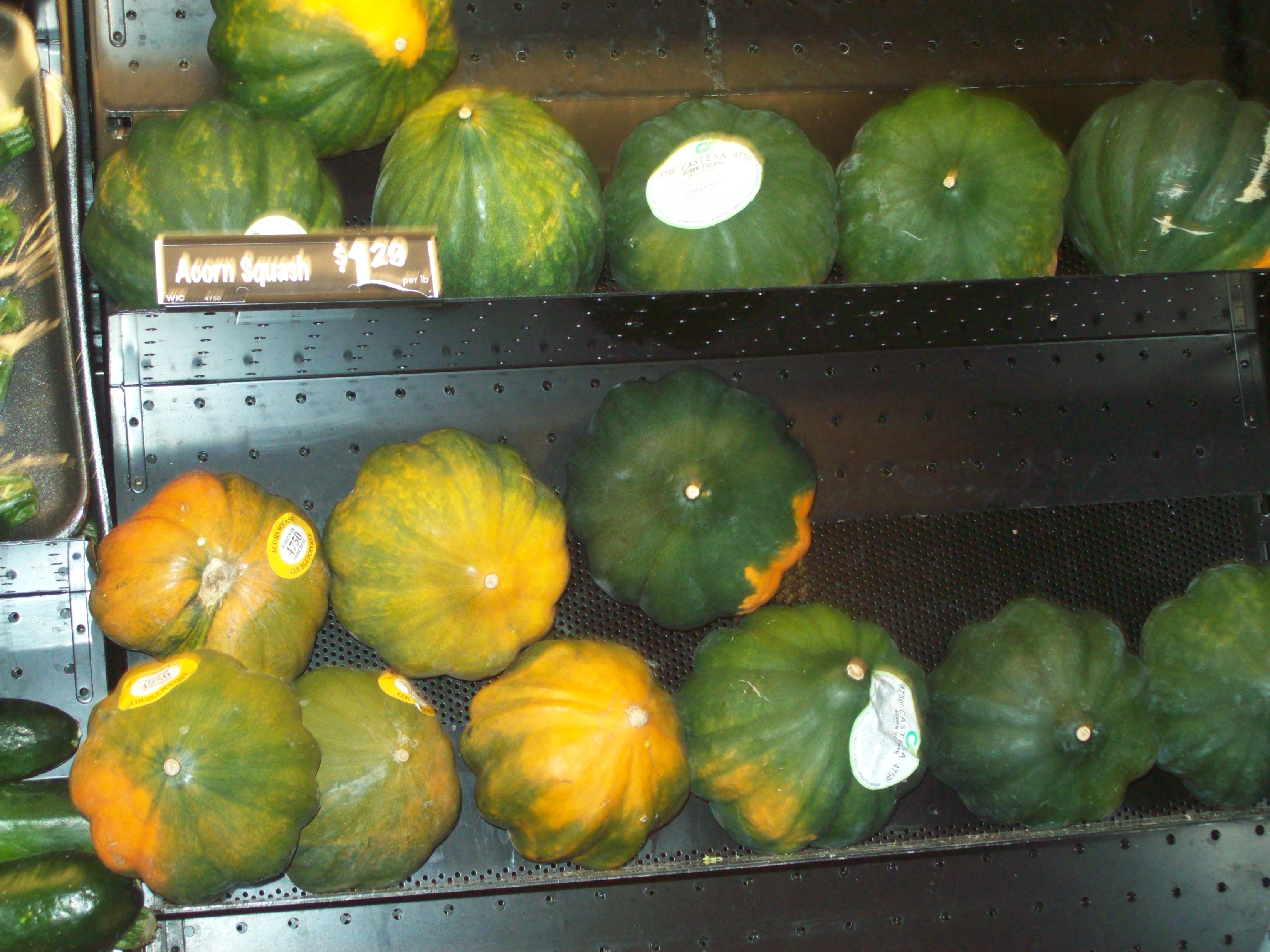
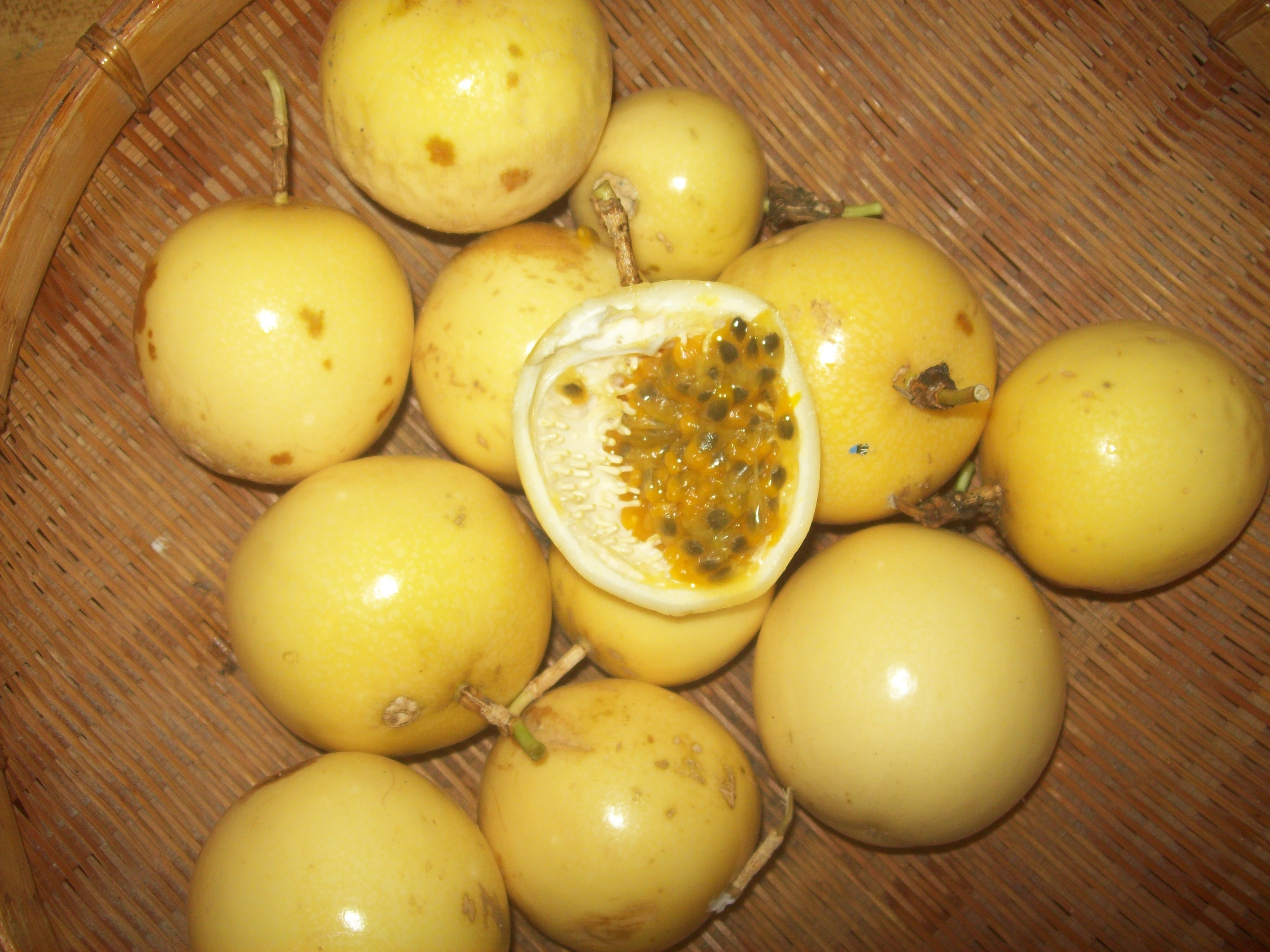
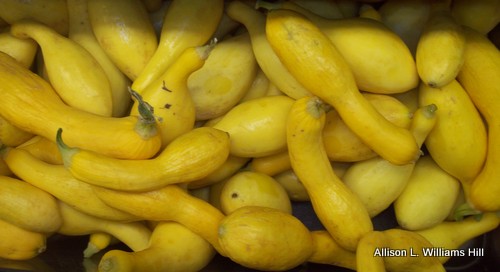
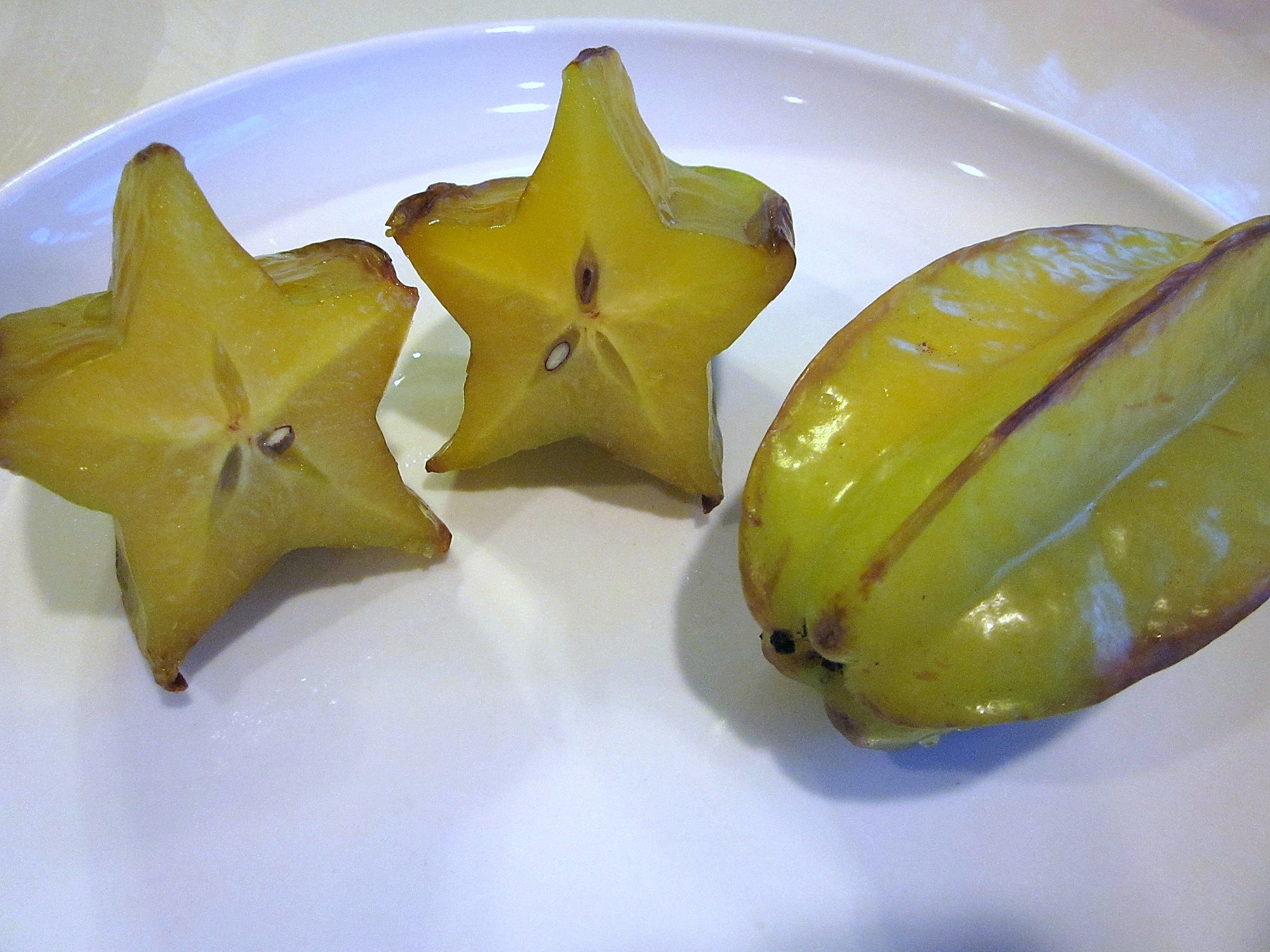
Yellow fruits and vegetables include pineapple, papaya, yellow bell pepper, corn, golden beets, banana, yellow squash,. They contain
• Vitamin C
• Vitamin B6
• Lutein & Zeaxanthin
• Manganese
The magnificent health benefits include:
• Vision protection (lutein & zeaxanthin protect the retina)
• Digestive health
• Mood regulation (B6 helps with serotonin production), and
• Cell repair and skin tone.
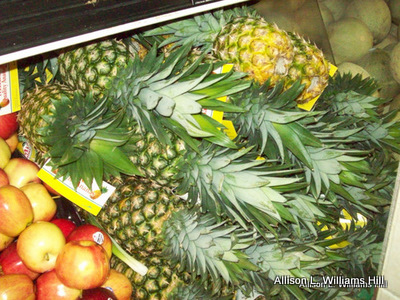
Juice a pineapple and watch the colors. Heavenly!
Food and Color Yellow
Lycopene: Sojourn from kitchen to an effective therapy in Alzheimer's disease
Reports on a significant positive correlation between consumption of carotenoid-rich food and prevention of Alzheimer's disease (AD) led to the investigation of carotenoids for the treatment and prevention of AD. More than 1100 types of carotenoids are found naturally, out of which only around 50 are absorbed and metabolized in human body. Lycopene is one of the most commonly ingested members of fat-soluble carotenoid family that gives vegetables and fruits their red, yellow, or orange color. Lycopene has established itself as a promising therapy for AD owing to its neuroprotective activities, including antioxidant, anti-inflammatory, and antiamyloidogenic properties. In this review, we highlight the various in vitro and preclinical studies demonstrating the neuroprotective effect of lycopene. Also, some epidemiological and interventional studies investigating the protective effect of lycopene in AD have been discussed. Diving deeper, we also discuss various significant mechanisms, through which lycopene exerts its remissive effects in AD. Finally, to overcome the issue of poor chemical stability and bioavailability of lycopene, some of the novel delivery systems developed for lycopene have also been briefly highlighted. 3
Food and Color Green
Food and Color Green
Association of food groups and dietary pattern with breast cancer risk: A systematic review and meta-analysis
Background & aims: We conducted a systematic review and meta-analysis of current evidence for the association between food groups, dietary patterns, and breast cancer risk among the Asian population.
Methods: This systematic review and meta-analysis followed the Preferred Reporting Items for Systematic Reviews and Meta-analyses (PRISMA) guidelines. We performed a systematic literature search up to December 2022 in English in the PubMed, Web of Science, Embase, and Cochrane databases. Risk ratios (RRs) with 95% confidence intervals (CIs) were extracted as effect sizes. Publication bias was estimated by two different funnel plot methods.
Results: We collected the data from 15 cohort studies and 34 case-control studies meeting the search criteria. The meta-analysis found that the consumption of fruits and, likewise, vegetables were associated with a 29% lower risk of breast cancer, respectively [RR = 0.71 (0.55, 0.93); RR = 0.71 (0.53, 0.95)]. By contrast, no significance was found between meat, soy foods, and green tea consumption and breast cancer risk (P > 0.05). However, soy protein and isoflavone intake could lower breast cancer risk by 35% and 32%, respectively [RR = 0.65 (0.51, 0.83); RR = 0.68 (0.55, 0.82)]. As for the dietary pattern, high adherence to a healthy dietary pattern and, similarly, to a healthy eating index was associated with a 38% and 51% reduction in breast cancer risk, respectively [RR = 0.62 (0.44, 0.88; RR = 0.49 (0.27, 0.87)], while high adherence to an unhealthy dietary pattern was associated with a 44% increased risk [RR = 1.44 (1.06, 1.96)]. Considering alcohol consumption, a 75% increased risk of breast cancer was found [RR = 1.75 (1.33, 2.30)].
Conclusion: The present meta-analysis found that high intakes of fruits, vegetables, soy protein, and soy isoflavone significantly reduced the risk of breast cancer, while high intake of alcohol had a significantly increased risk. Meat, soy food, and green tea consumption were not significantly associated with breast cancer risk. Considering dietary patterns, high adherence to a healthy eating index and a healthy dietary pattern may reduce breast cancer risk. Conversely, adherence to unhealthy dietary patterns may increase breast cancer risk. However, further studies are needed to confirm the associations between dietary patterns and breast cancer in the Asian population. 4
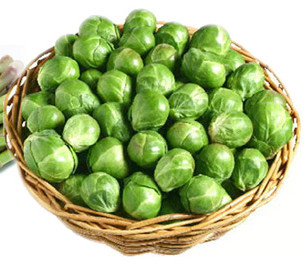
These foods are rich in cancer-blocking chemicals like sulforaphane, isothiocyanates, and indoles, which inhibit the action of carcinogens (cancer-causing compounds).
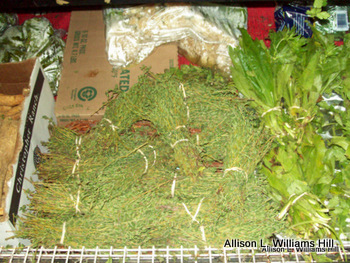
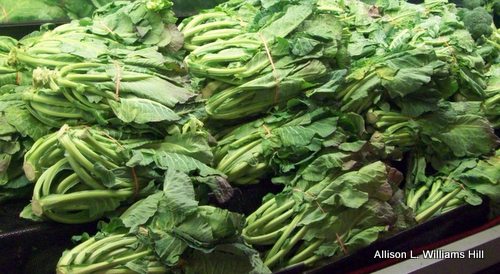
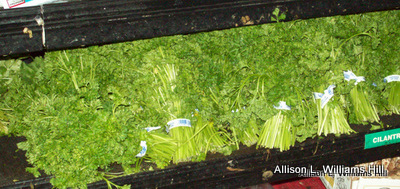
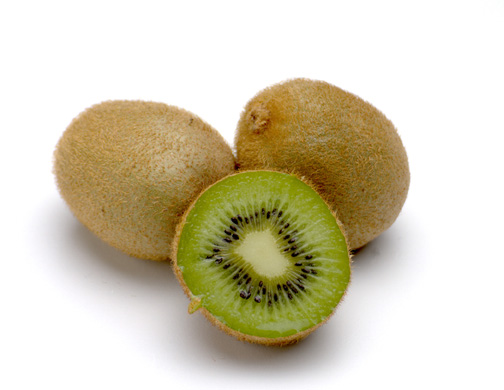
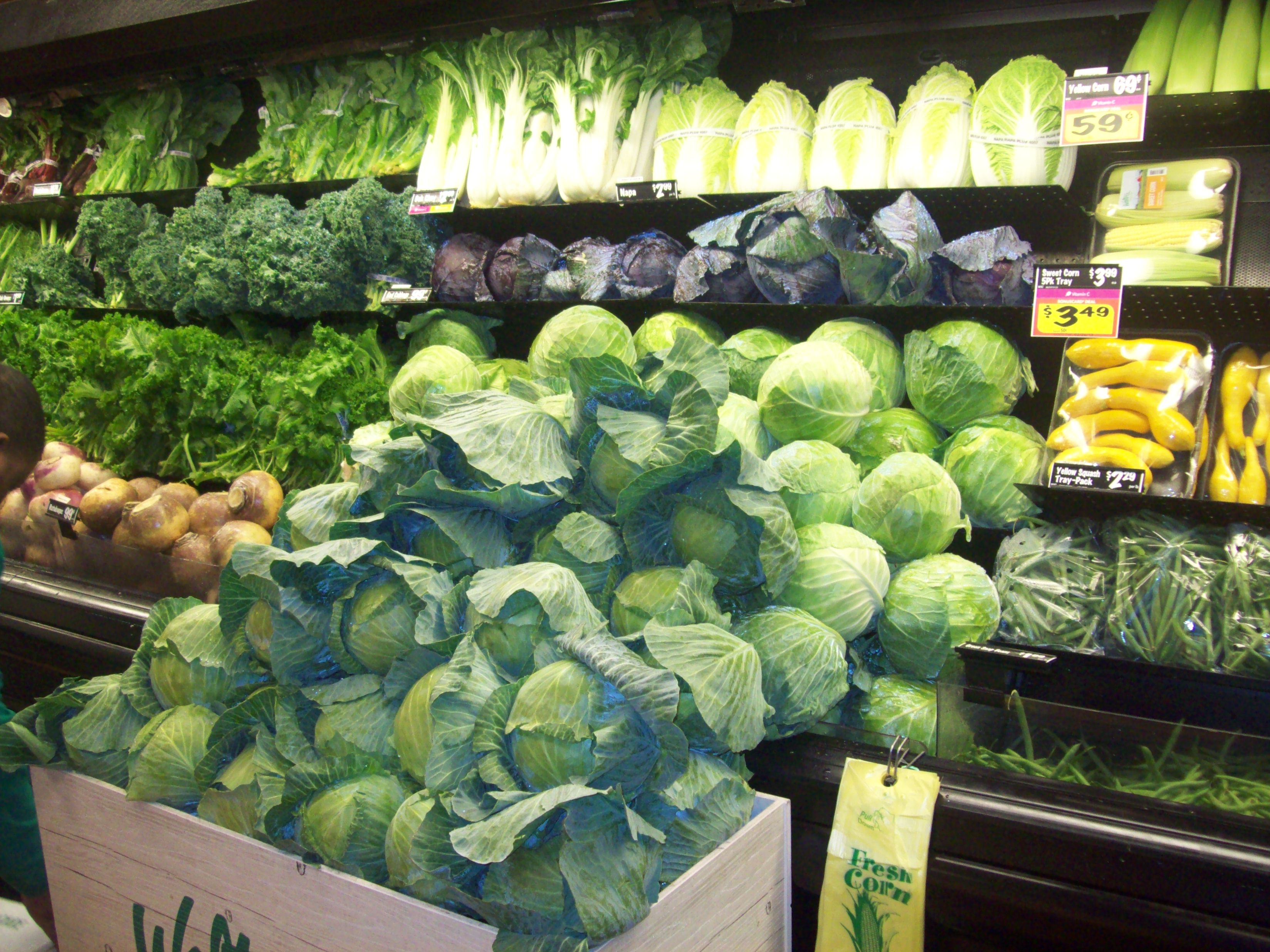
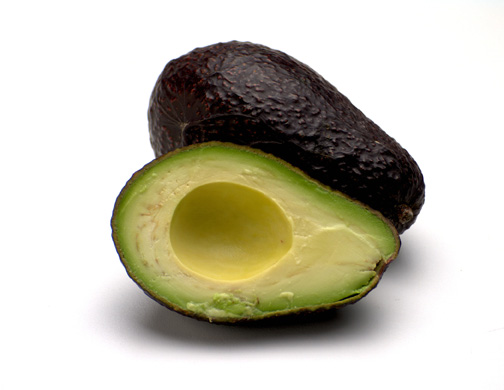
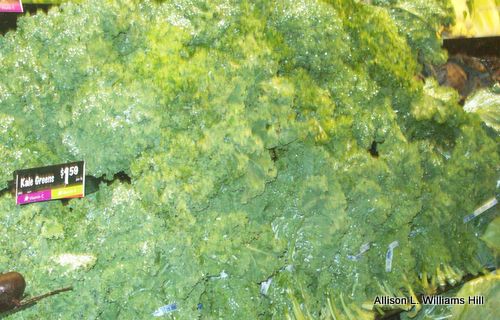
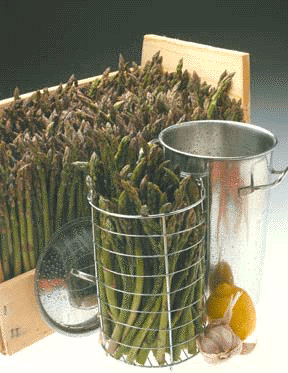
Green fruits and vegetables include spinach, callaloo, avocados, asparagus, artichokes, broccoli, alfalfa sprouts, kale, cabbage, Brussels sprouts, kiwi fruit, collard greens, green tea, green herbs (mint, rosemary, sage, thyme, and basil), cucumbers, peas, celery, okra and green apples. 2
Green fruits and vegetables contain:
• Chlorophyll
• Magnesium
• Vitamin K
• Iron
• Folate
• Calcium, and
lutein which strengthens bones and the immune system.
The benefits of those nutrient are:
• Detoxification (chlorophyll cleanses blood and liver)
• Bone health (vitamin K & calcium)
• Blood sugar balance
• Immune function and gut health
• Anti-cancer properties (especially cruciferous veggies like broccoli),
and heart disease and birth defects.

What a cutie!
Spirulina, a blue-green algae rich in essential nutrients, has garnered significant attention for its potential health benefits, particularly its role in liver detoxification and the elimination of heavy metals. This review explores the detoxifying effects of spirulina, focusing on its ability to enhance liver health and facilitate the removal of toxic metals from the body. Spirulina contains bioactive compounds such as phycocyanin,chloro-phyll, and various antioxidants, which have been shown to possess hepatoprotective properties. Studies highlight spirulina's capacity to reduce oxidative stress, inflammation, and liver enzyme markers associated with liver damage. Furthermore, spirulina's chelating agents support the binding and excretion of heavy metals, such as lead, mercury, and cadmium, from the body. The synergistic effects of spirulina on liver function and detoxification processes present a promising avenue for alternative therapeutic interventions in mitigating the harmful effects of environmental pollutants and supporting liver health. This review synthesizes current research findings, providing an in-depth understanding of the molecular mechanisms through which spirulina may aid in detoxification and liver protection, while also highlighting the need for further clinical studies to validate these therapeutic claims.5

Food and Colors Blue and Purple
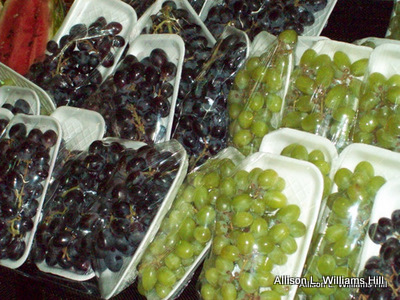
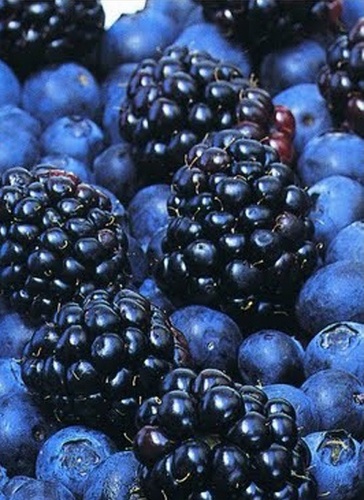
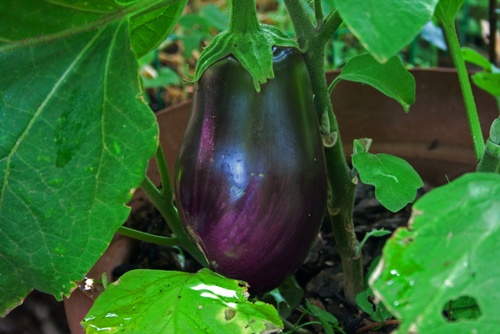
Blue and purple fruits and vegetables include blueberries, eggplant, purple cabbage, plums, prunes, blackberries, grapes, Concord grapes*, elderberries, raisins, and lavender.
Blue and purple
fruits and vegetables contain
:
• Anthocyanins (deep blue/purple pigment)
• Resveratrol (in grapes)
• Vitamins C & K, and
• Manganese
They have powerful antioxidants called anthocyanins are believed to delay cellular aging and help the heart by blocking the formation of blood clots. 2
The benefits of those nutrients are:
:
• Brain health and memory
• Anti-aging & cellular protection
• Heart health
• Cancer prevention, and
• Inflammation reduction
And in resveratrol alone, a polyphenol, an ant-inflammatory protects against cancer, diabetes, and Alzheimer's.
*The Concord grape was developed by Ephraim Wales from over 20,000 seedlings. It was used by Welch's almost ten years later.
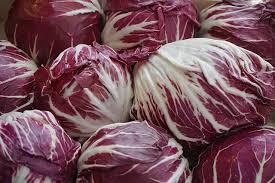
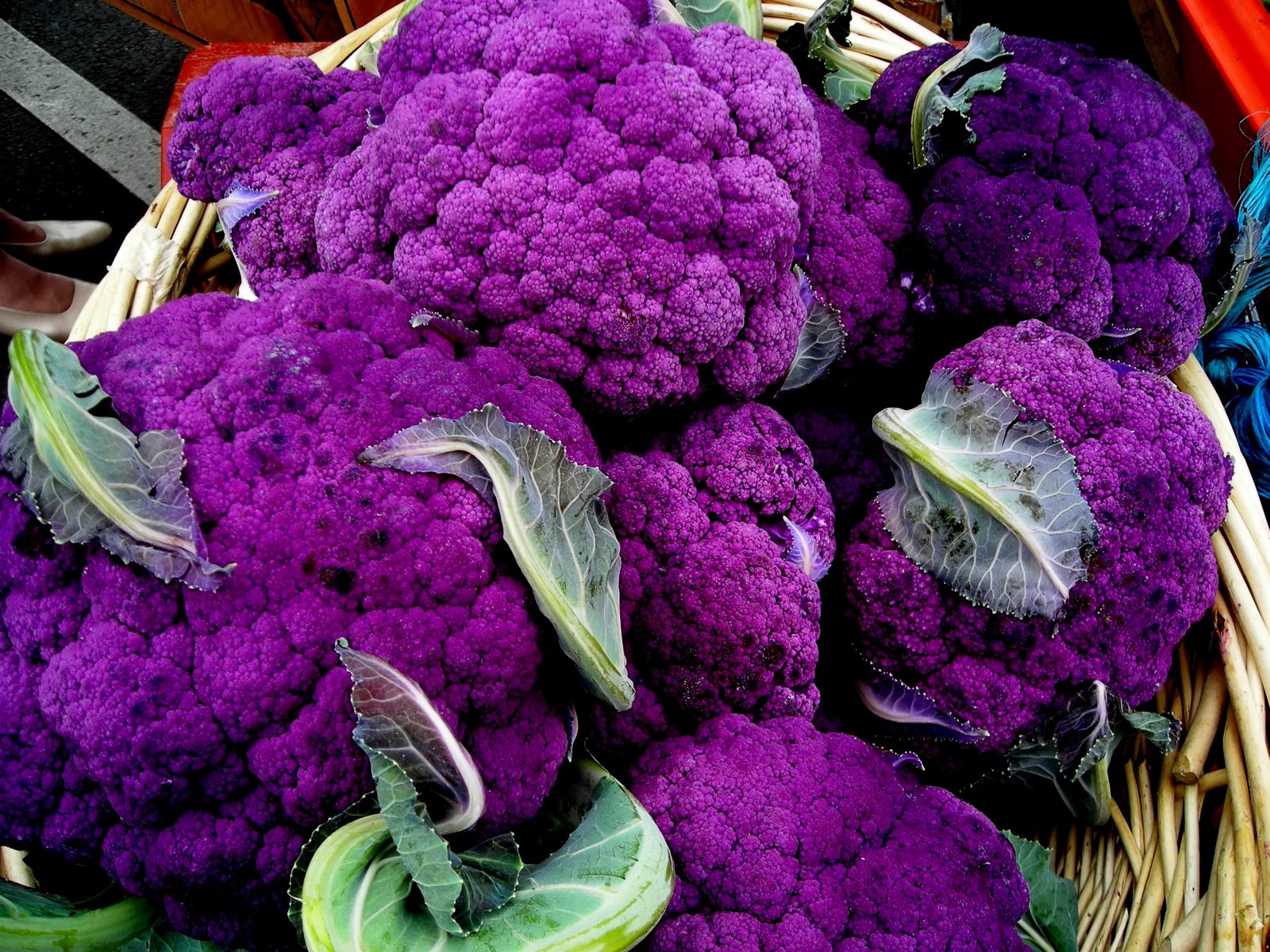
Anthocyanins may be effective bioactive constituents to reduce the potential risk of chronic diseases induced by glycation and inflammation. In the present study, the anti-glycation and anti-inflammatory activities of anthocyanins derived from purple cabbage (PCA), purple sweet potato (PSP), purple corn (PCO) and gynura bicolor (GB) were evaluated. According to the results from the bovine serum albumin (BSA)-fructose and BSA-methylglyoxal (MGO) model, the inhibition effects of anthocyanins on non-enzymatic glycosylation not only acted on the intermediate stage, but also played a certain role in the entire non-enzymatic glycosylation process, among which anthocyanins from PCA exhibited the best inhibitory effect. The anthocyanins from all four purple vegetables could trap MGO effectively (p > 0.05). The anthocyanins also presented a good inhibitory effect on amyloid beta peptide (Aβ)1-42 fibrillation, even better than that of aminoguanidine (AG), in a thermal induction assay. Furthermore, anthocyanins from PCA, PSP, PCO and GB showed significant anti-inflammatory effects, inhibiting pro-inflammatory factor (i.e., NO and TNF-α) production, among which the anthocyanins from PCA and PSP exhibited a higher inhibition effect than the others. This is probably due to the suppression of the TLR4-mediated MyD88 signaling pathway in the lipopolysaccharide (LPS)-induced BV2 cells based on the western blot analysis. Anthocyanins from purple vegetables could be used as a value-added food ingredient for the food industry. Food fortification with anthocyanins might be a promising way to protect humans against various chronic diseases caused by glycation and inflammation.
Food and Color Brown
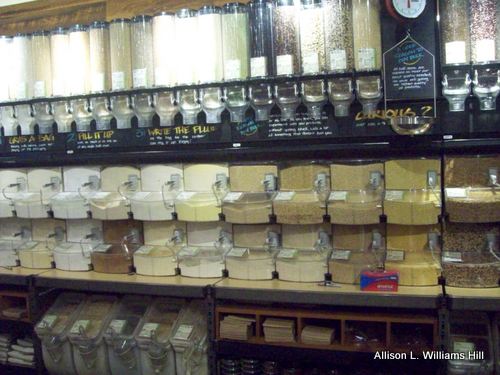
White and brown fruits and vegetables which include the onion family contains allicin, has anti-tumor properties. Other foods in this group include cauliflower, leeks, parsnips, daikon radish and mushrooms contain antioxidant flavonoids like quercetin and kaempferol. 2
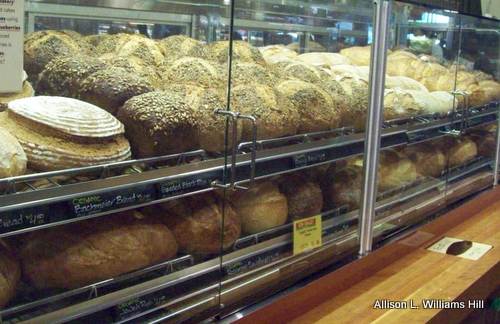
Brown foods include grains; nuts, and seeds and contain phytonutrients that reduce risk of some cancers, diabetes, heart disease, and stroke.
Food and Colors White and Tan
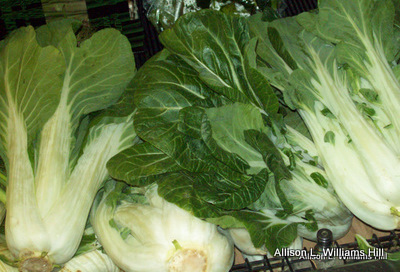
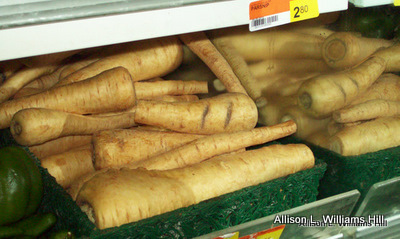
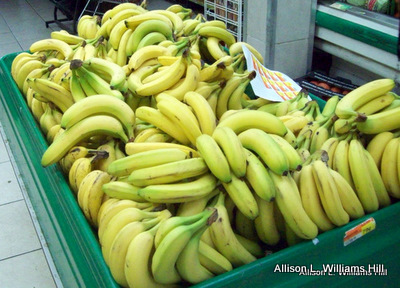
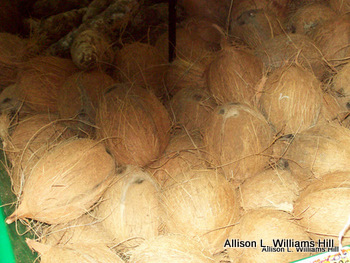
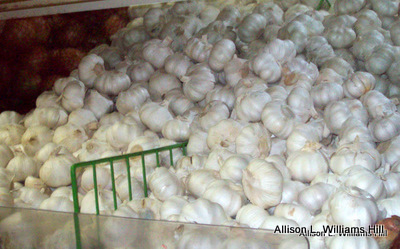
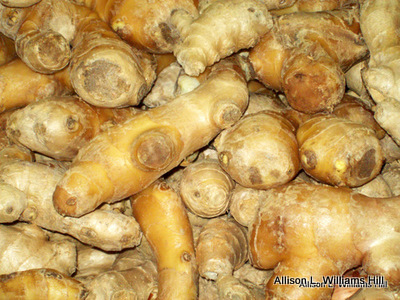
White/Tan foods include garlic; ginger; onions; bok choy, and banana. They contain anthoxanthins that lower blood pressure, cholesterol, and reduces the probability of stomach cancer.
An easy food program of fruits and vegetables includes eating a serving in each color each day. There are so many selections you can probably avoid the foods you dislike and be adventurous to taste those you have not tried.
Food and Color White and Tan Mushrooms
Some common mushrooms out of thirty-nine edible varieties.
• Black Trumpet Mushroom
• Button Mushroom
• Cauliflower Mushroom
• Chanterelle Mushroom
• Cremini Mushroom
• Enoki Mushroom
• King Oyster Mushroom
• Lion’s Mane Mushroom
• Maitake Mushroom
• Morel Mushroom
• Matsutake Mushroom
• Oyster Mushroom
• Portobello Mushroom
• Reishi Mushroom
• Shimeji Mushroom
• Shiitake Mushroom
Use mushrooms in soups, stews, stir-fry, broiled, sauteed, and raw dishes. There are tempting recipes that
replace animal protein. Spiced, marinaded, or heated in olive oil with garlic cloves (kept refrigerated -it ages wonderfully)
mushrooms are worth using in existing recipes or making your own to suit your palette.
Avoid Creating Food Allergies
I apply other things to developing a food plan.
Avoid creating food allergies by eating the food once in four days, the time it takes for a food to be eliminated from the body. I learned about food rotation when I decided to eliminate meat from my diet when I began listening to Dr. Gary Null’s radio program almost thirty years ago. If you consume a food too often, you may risk developing a food allergy.
Two types of allergies can develop: the acute type where the negative reactions persist for a short period of time. The other is the chronic type of allergy where the negative reaction appears immediately. For example, I ate pink grapefruit every day when I was a child for several years. If I ate it today, my body would produce a lot of mucus, a physical reaction.
An allergic reaction could also be a
noticeable or subtle change in mood and behavior. The only way to avoid chronic allergic
reactions is to not consume the food again.
The Blood Type Diet
Peter D’Adamo, author of Eat Right for Your Blood Type; Live Right for Your Blood Type, etc. advanced the work of his father on blood type. There is doubt about the effectiveness of this blood type application. The tests have only been applied to the American diet, not to any other diet on the planet. Until that is done, the endorsement on this approach will be limited to testimonials of those who have had success with it.
All of the different combinations in colors make for an exciting way to create meals. Add to that various methods of preparation by sautéing, steaming, baking, pan frying, or as Nature intended, raw.
Resources
1 Phytonutrients as therapeutic agents
2. Phytonutrients:Paint Your Plate With The Colors Of The Rainbow
3 Lycopene: Sojourn from kitchen to an effective therapy in Alzheimer's disease
6 Anti-glycation and anti-inflammatory activities of anthocyanins from purple vegetables
Links